Pallet Liquidation: Turning Excess Merchandise Into Earnings
Pallet liquidation presents a practical solution for retailers struggling with excess inventory. By transforming surplus or returned products into large-scale sales, this method not only alleviates storage issues but also opens new revenue streams. Small business owners frequently pursue such prospects to secure valuable goods at lower costs. However, the intricacies of acquiring and reselling these pallets present obstacles that necessitate thoughtful analysis. What elements should one assess before venturing into this developing sector?
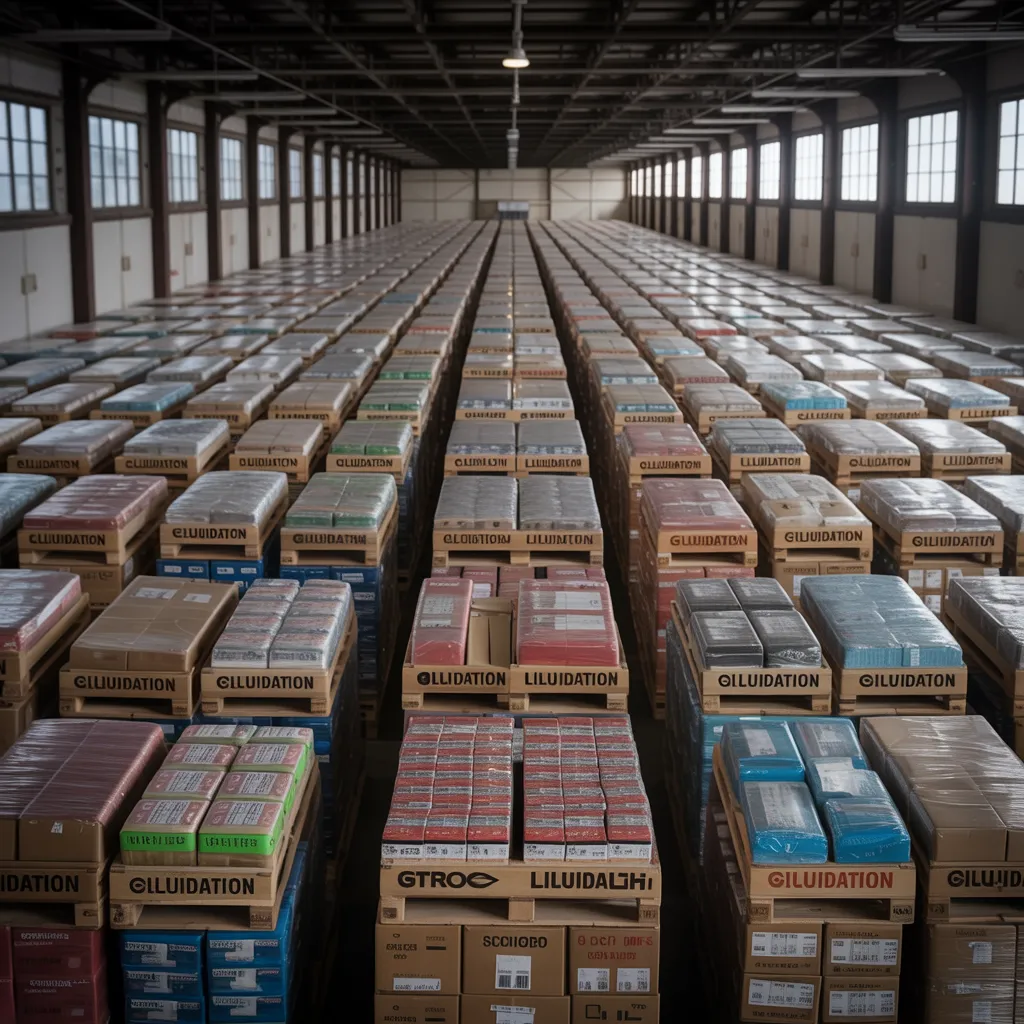
Pallet Liquidation Explained: What It Is and How It Works
Pallet liquidation describes the practice of selling significant volumes of excess, returned, or leftover products, commonly sorted onto pallets for straightforward transportation. This practice permits merchants and distributors to recoup a portion of the value from inventory that might otherwise go to waste. Organizations commonly source these pallets from various sources, including manufacturers and retailers, who are looking to eliminate their surplus inventory.
After acquisition, the pallets are either sold directly to consumers or through online auctions. These pallets are frequently purchased by small business owners and resellers who aim to sell the contents individually for financial gain. Each pallet may contain a diverse assortment of items, ranging from electronics to everyday household products. The draw of pallet liquidation stems from the prospect of considerable savings and the ability to find worthwhile products within a diverse collection. Altogether, it provides a viable strategy for addressing overstock and surplus inventory challenges.
Common Item Categories within Pallet Liquidation Sales
Liquidation pallets often contain a diverse array of product categories, drawing in numerous buyers looking for value. Frequently included products encompass electronics, home goods, apparel, and beauty products. Electronics, such as smartphones and laptops, are notably popular, as they frequently maintain strong resale value. Home products, including kitchen appliances and furniture, appeal to a broad audience seeking affordable options for home improvement. Apparel categories can range from seasonal clothing to activewear, drawing interest from thrift store owners and resellers. Additionally, beauty products, including skincare and cosmetics, draw in both everyday buyers and commercial retailers looking to profit from name-brand products. Seasonal products also find their way into liquidation, allowing buyers to stock up ahead of holidays. This variety of categories guarantees that liquidation pallets are capable of satisfying the varied demands of purchasers, generating profit potential across various market segments.
The Benefits of Pallet Liquidation for Retailers
A large number of retailers significantly benefit from acquiring liquidation see the facts pallets, as they provide an effective means to stock their shelves with a wide variety of products at reduced prices. This approach not only enhances inventory variety but also allows retailers to cater to diverse customer demands without considerable financial burden. The affordability of liquidation pallets helps retailers maintain competitively low prices, thereby boosting revenue and customer retention.
Furthermore, buying wholesale liquidation pallets can lead to increased profitability, as many items are acquired at a portion of their retail price. Sellers can also leverage market trends by quickly obtaining in-demand or seasonal goods, thus responding to evolving marketplace requirements. Moreover, the processing time for sourcing and reselling these merchandise is often shorter than traditional sourcing methods, allowing businesses to rapidly adjust to evolving consumer trends. All things considered, wholesale pallet liquidation acts as a valuable tool for retailers striving to optimize their operations and profitability.
Ways to Source Quality Pallets
Finding top-quality pallets demands thorough research and careful planning. Prospective purchasers should commence by finding reliable wholesale distributors and liquidation companies noted for their trustworthiness. Online marketplaces and local auctions can prove to be excellent resources, featuring a array of pallets at different price ranges.
One additional critical factor concerns evaluating the state of the pallets. Buyers should inspect for signs of damage, ensuring that the goods remains undamaged and ready for resale. Building relationships with suppliers can provide advantageous terms and entry to specialized merchandise, strengthening procurement possibilities.
Remaining updated on market trends and popular products can guide buyers in selecting pallets that will generate substantial returns when resold. Connecting with fellow resellers can provide insights and recommendations, additionally supporting the procurement process. By combining these strategies, buyers can successfully obtain high-quality pallets that support profitable liquidation endeavors.
Essential Strategies for Reselling Liquidated Pallets
Reselling liquidated pallets requires strategic planning and market insight to increase earnings. Top-performing resellers start by performing in-depth analysis of current market trends and buyer needs. Pinpointing high-demand product categories, such as electronics, home goods, or seasonal items, allows for targeted purchasing.
Subsequently, sellers ought to inspect the state of goods inside the pallet collections. An in-depth inventory helps in determining the projected resale value and aids in setting competitive pricing. Utilizing social media and e-commerce platforms for advertising increases visibility, reaching a broader audience.
Building relationships with other resellers can be highly valuable, encouraging partnerships that result in exchanged knowledge and assets. Furthermore, vendors ought to explore providing package deals or price reductions to draw in customers and boost sales velocity. Through the application of these approaches, resellers can effectively transform liquidated goods into lucrative opportunities, ensuring a successful business model in the ever-evolving marketplace.
Understanding the Legal and Ethical Side of Pallet Liquidation
Within the field of pallet liquidation, understanding legal compliance requirements is essential for resellers to avoid potential liabilities. Moreover, ethical procurement practices hold considerable importance in preserving integrity throughout the industry. These considerations not only guide business practices but also determine consumer trust and overall brand reputation.
Regulatory Compliance Standards
Adhering to legal standards in pallet liquidation is vital for upholding ethical practices and preserving business integrity. Companies engaging in this sector must adhere to various regulations, including consumer protection laws, environmental standards, and tax obligations. Compliance with these laws helps mitigate risks associated with the sale of potentially hazardous or copyright goods. Furthermore, companies must stay informed about local and federal rules overseeing the resale of liquidated goods, maintaining accurate documentation and reporting. Failure to comply can result in legal repercussions, including fines or loss of business licenses. By prioritizing legal compliance, pallet liquidation firms can foster trust with consumers and suppliers, ultimately enhancing their reputation and long-term viability in the marketplace.
Sustainable Sourcing Principles
Steering through the challenges of pallet liquidation requires a commitment to ethical sourcing practices combined with legal compliance. Businesses involved in this sector must champion transparency and integrity, ensuring that the products they process are ethically obtained. This includes validating the provenance of goods, assessing the treatment of workers engaged in production, and steering clear of products connected to environmental harm or exploitative labor practices. By adopting ethical sourcing standards, businesses not only minimize legal risks but also enhance their reputation and customer trust. Furthermore, ethical practices can result in a more sustainable operation, attracting socially conscious consumers. Overall, the embedding of ethical considerations into pallet liquidation is essential for fostering a ethical and thriving business model.
What the Future Holds for the Pallet Liquidation Market
As the pallet liquidation industry advances, various new trends are defining its future outlook. Digital platforms are rising in prominence, allowing sellers and buyers to connect more efficiently. These platforms commonly leverage cutting-edge algorithms to pair inventory with demand, improving the efficiency of transactions. Additionally, sustainability is gaining traction, with companies focusing on eco-friendly practices in the liquidation process. This transition supports a circular economy, where items are reused and reimagined, limiting waste.
In addition, increased transparency in both pricing and product quality is on the horizon, as customers increasingly expect detailed information before committing to a purchase. The growth of niche markets, particularly in specialized goods, is also notable; enterprises are shifting to address particular consumer needs. Lastly, the integration of data analytics will likely optimize inventory management, helping retailers make informed decisions. As a whole, these developments signal an exciting future for the pallet liquidation sector, fueled by technological advancements and a commitment to sustainability.
Questions We Frequently Receive
Which Types of Businesses Gain the Most From Pallet Liquidation?
Retailers, discount stores, and e-commerce businesses benefit most from pallet liquidation. These enterprises often seek cost-effective inventory solutions to maximize profit margins. Independent retailers are able to obtain a wide variety of products at lower costs, improving their selections without major financial commitment. Additionally, online sellers leverage liquidation pallets to source unique items for resale, creating competitive advantages. Ultimately, enterprises dedicated to affordable inventory strategies and broad product diversity discover that pallet liquidation provides a significant boost to their growth and financial success.
How Do I Assess the Value of Liquidated Pallets?
To determine the worth of liquidated pallets, you should examine the original retail price of the products included, considering their condition and consumer demand. Investigating similar products across online platforms can offer valuable information about resale potential. Additionally, accounting for the cost of acquisition and all related shipping or handling fees is essential. Lastly, evaluating local market trends and customer interest can assist in developing a competitive pricing strategy for reselling.
Are Individuals Able to Take Part in Pallet Liquidation?
Indeed, private buyers can take part in pallet liquidation. Numerous liquidation companies and auctions allow anyone to compete for or buy pallets directly. By researching nearby vendors or online platforms, buyers can access various goods at discounted rates. It is important for buyers to recognize the risks associated, such as likely undisclosed issues or unsold items, and to evaluate their ability to resell or use the items efficiently. Knowledge and preparation are key for success.
What Are the Most Common Mistakes to Avoid in Pallet Liquidation?
Frequent errors to steer clear of in pallet liquidation include underestimating costs, like freight and warehousing costs, leading to reduced profits. Buyers often fail to research the quality and value of items, resulting in poor purchasing decisions. Additionally, neglecting to track inventory and sales can hinder success. Not understanding market demand may lead to unsold goods. In the end, making hasty purchases without a defined plan can result in monetary setbacks, highlighting the necessity of thorough preparation.
How Do Shipping Costs Affect Pallet Liquidation Profitability?
Shipping expenses significantly affect pallet liquidation profit margins by having a direct impact on the general expense framework. Substantial transportation fees can reduce profitability, making it essential for retailers to factor these costs into their pricing strategies. Moreover, variable shipping rates may influence inventory turnover, thereby influencing overall sales performance. Strategic logistics management and securing competitive transportation rates can boost profit margins, enabling vendors to optimize earnings from liquidated inventory while minimizing overhead expenses.